Bridge-V2
Abstract
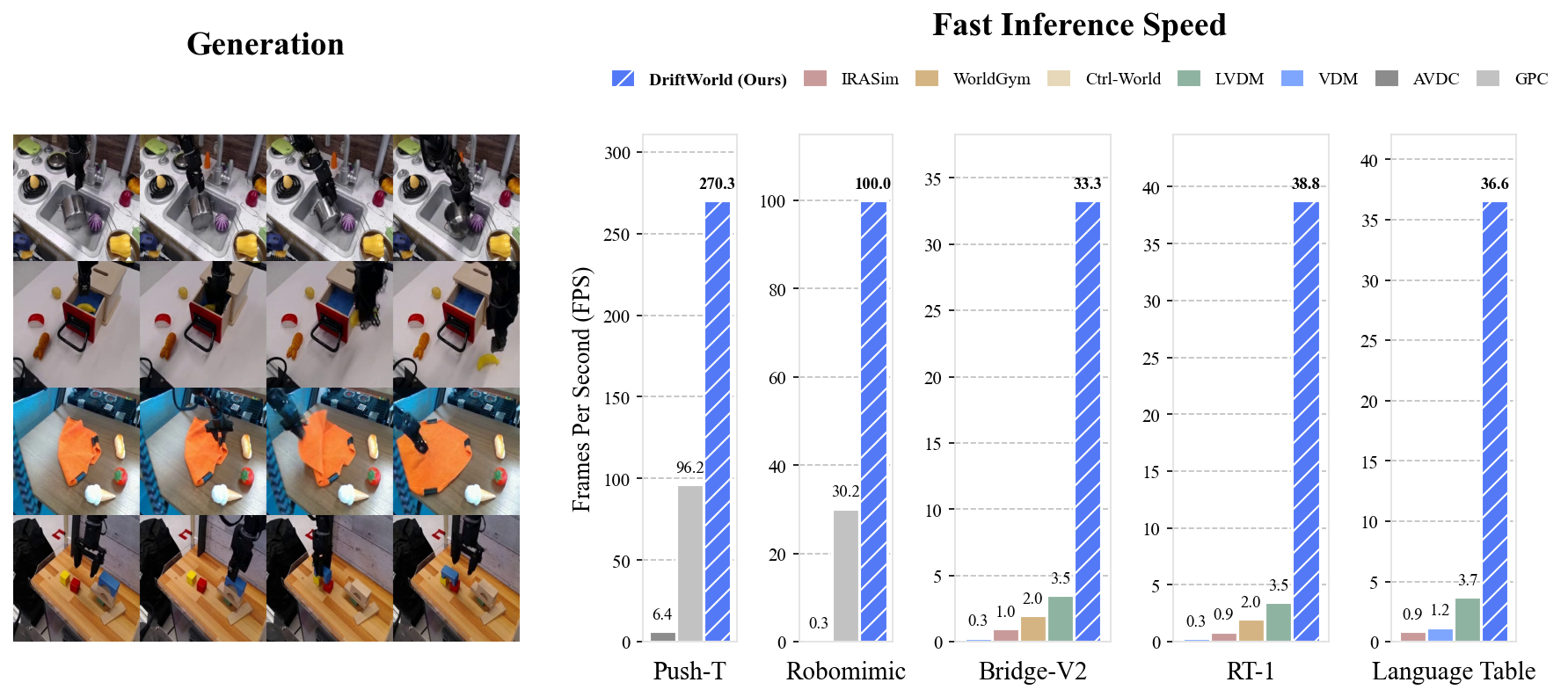
Predictive world models enable robots to simulate the visual outcomes of their actions, but state-of-the-art diffusion-based models remain costly because generating each rollout requires multi-step iterative denoising. We introduce DriftWorld, an action-conditioned world model based on drifting generative models. DriftWorld learns a conditional drift during training, enabling it to generate future observations for a given action sequence in a single forward pass during inference. Across Bridge-V2, RT-1, Language Table, Push-T, and Robomimic, DriftWorld runs at over 40 fps and is 12+ times faster than diffusion-based baselines, while matching or improving their visual generation quality. This makes DriftWorld an efficient world model for robot simulation and further enables downstream applications including inference-time action search and offline policy evaluation.
Demos on Bridge-V2 and RT-1
DriftWorld generates different videos from the same initial frame based on the actions taken. Select an action sequence below to view the corresponding generated video. (We provide a text description of the actions for simplicity.)
Bridge-V2: Initial frame
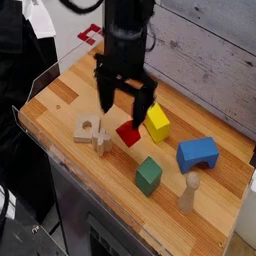
Towards:
Generated video
Bridge-V2: Initial frame
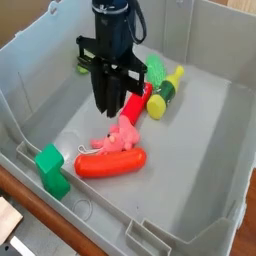
Towards:
Generated video
Bridge-V2: Initial frame
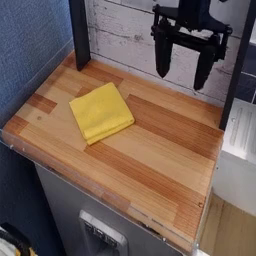
Wipe:
Generated video
RT-1: Initial frame

Action:
Generated video
RT-1: Initial frame
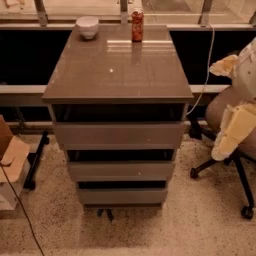
Action:
Generated video
RT-1: Initial frame
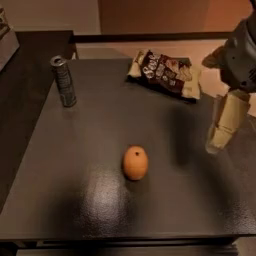
Action:
Generated video
Visualization of World Modeling
DriftWorld matches or outperforms action-conditioned world model baselines in terms of visual generation quality, while operating at a fraction of the inference time.
Generated Videos on Real Robot Datasets: Bridge-V2, RT-1, and Language Table
DriftWorld generates videos that closely match the ground truth, at inference speeds of 41.3, 51.5, and 60.2 fps for Bridge-V2, RT-1, and Language Table on a single H100 GPU.
Generated Videos on Other Robotic Manipulation Tasks
DriftWorld generates videos that closely match the ground-truth simulator across the Robomimic Can, Robomimic Lift, and Push-T tasks, including both single-view and two-view generation settings. The inference speed is 100.0 and 270.3 fps on Robomimic and Push-T, respectively.
Inference-Time Policy Improvement
DriftWorld can be used to improve a base policy at inference time by rolling out multiple action proposals in the world model. The highest-reward rollout (green) is selected, steering the policy toward better outcomes. DriftWorld only takes a fraction of the inference time of standard diffusion models, making it practical and efficient for online control.
Policy Evaluation
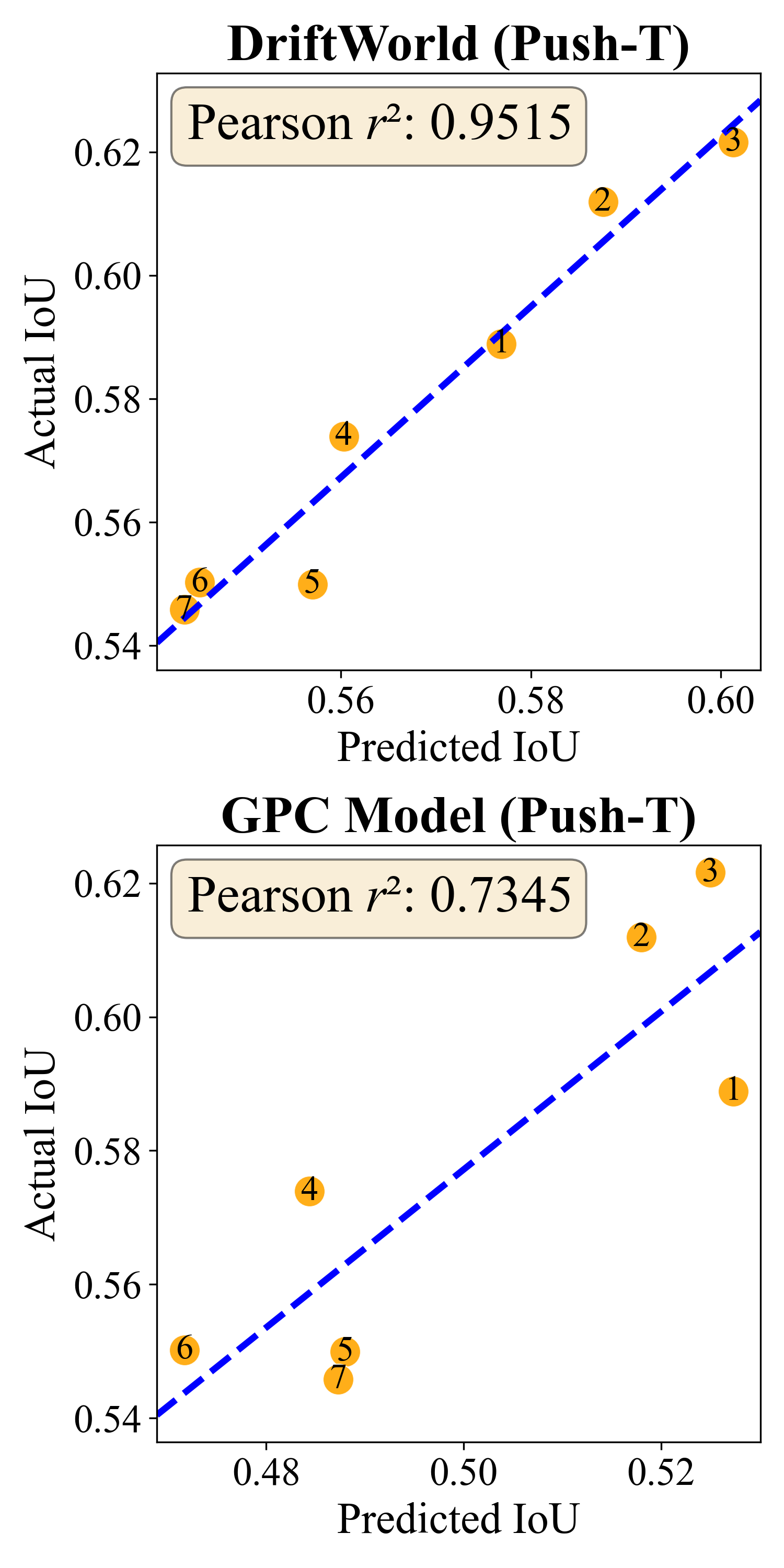
DriftWorld serves as an accurate offline simulator for policy evaluation, successfully predicting both the absolute performance and relative ranking of policies. Our model achieves high correlation coefficients of 0.9958, 0.9618, and 0.9755 between policy performance in the world model and ground-truth performance on Robomimic Lift, Robomimic Can, and Push-T tasks, respectively.
Robomimic Lift — Simulating Policy Rollouts in the World Model
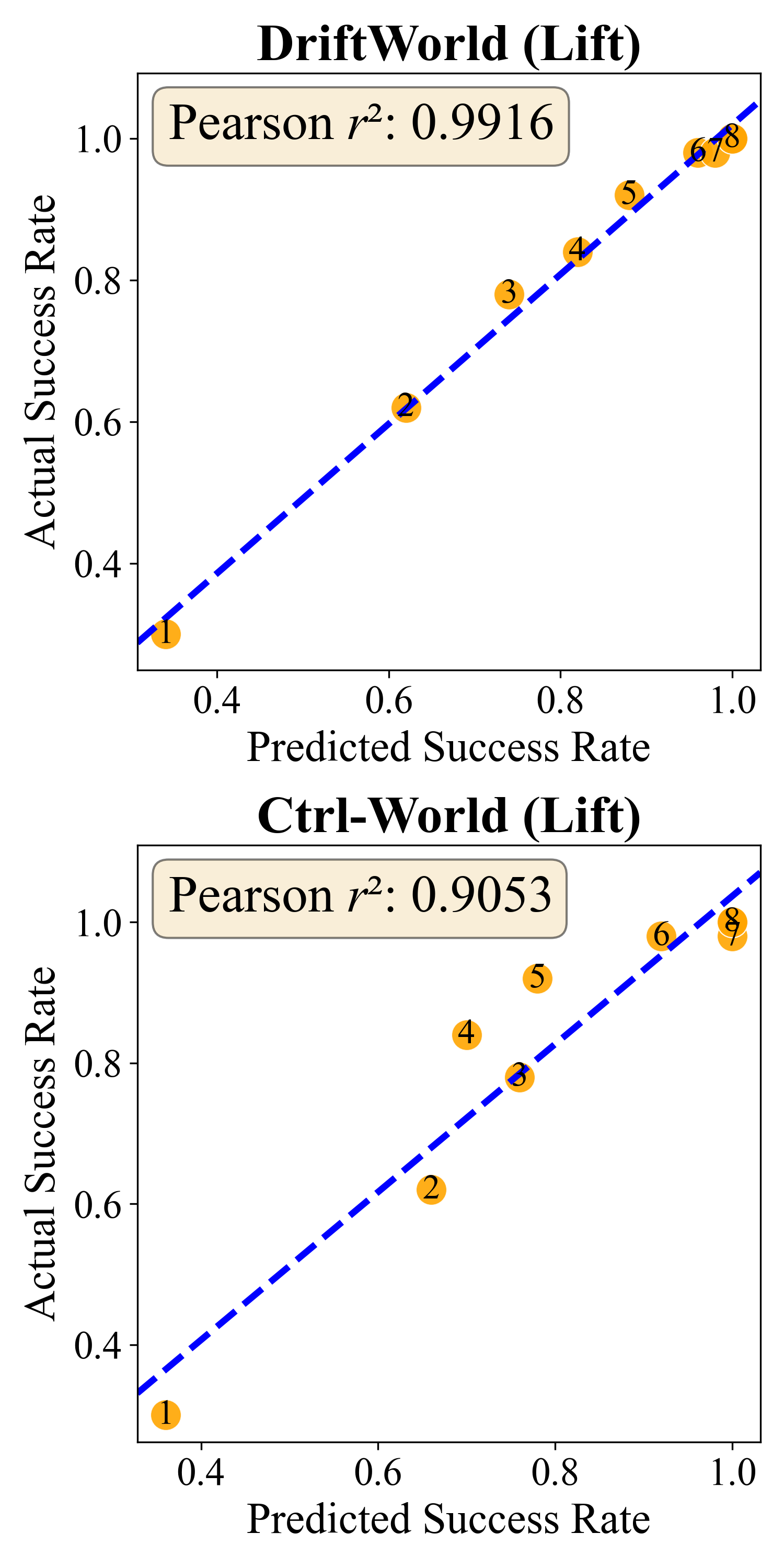
| Ground Truth | Ctrl-World | DriftWorld (Ours) |
|---|---|---|
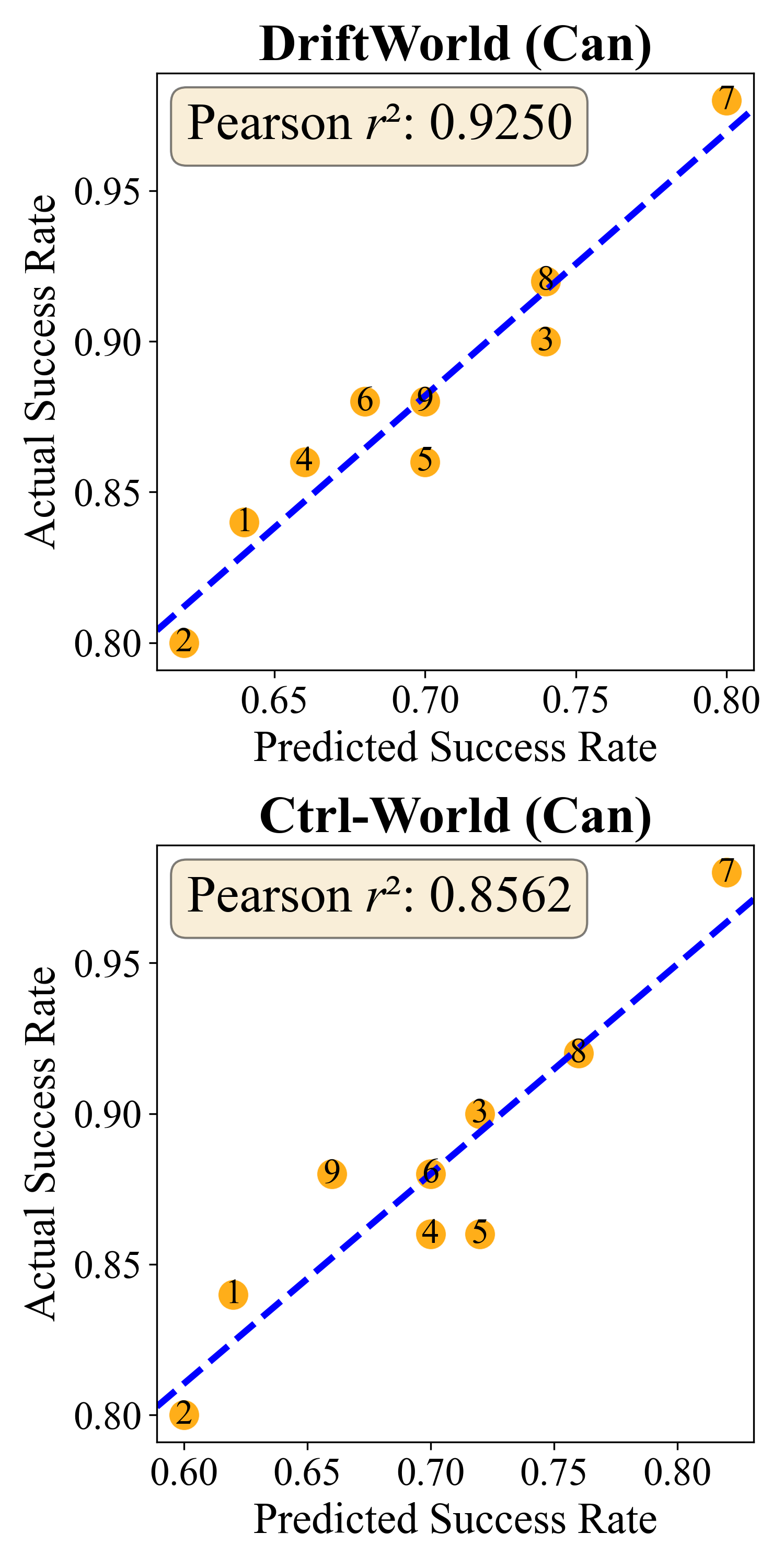
Interactive Demo
In the live demo below, you can interact with DriftWorld in real time. Switch between the Language Table and Push-T tabs, click Connect, and use the arrow keys to move the robot gripper. Every frame is generated with a single forward pass on an NVIDIA L4 GPU.
Info: When the status changes from Connecting to Loading, you can start pressing the arrow keys. Note that the first key press takes a moment to respond since the model and server are warming up. After that, the demo streams smoothly, and the status becomes Live.
Note: The demo may be slower or unavailable due to resource limitations. To keep it free to run, each session lasts up to 2 min and ends after 30 sec of inactivity — just click Connect again to restart.
Click Connect to start the live demo